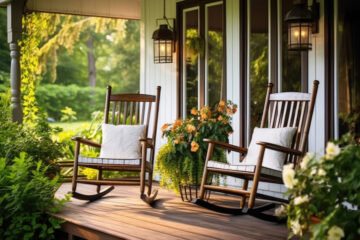
Interior woodwork can completely change the character of a home. Whether you want the warmth of natural wood, the drama of a dark stain, or a classic combination of stained doors and crisp white trim, the right finish can make doors and millwork stand out beautifully.
ZAR offers a variety of interior wood stains and polyurethane finishes that enhance the natural beauty of wood while helping protect it from everyday wear and tear. Whether you’re refinishing interior doors, door trim, baseboards, or other wood surfaces, ZAR products can help you achieve a beautiful, durable finish.

What Is ZAR Interior Wood Stain?
ZAR Interior Wood Stain is designed to add color while enhancing the natural grain and character of interior wood surfaces. Staining can be a particularly attractive option for wood doors, casing, baseboards, and other architectural details when you want the texture of the wood to remain visible.
Unlike paint, which creates an opaque layer of color, stain allows the underlying grain to remain part of the finished appearance.
Before staining, always prepare the wood properly. Sanding, cleaning, and testing the stain on an inconspicuous area can help produce a more predictable result.
ZAR Polyurethane: Protecting Your Stained Wood
After staining interior doors or trim, a protective clear finish can help protect the surface from scratches, scuffs, moisture, and everyday use.
ZAR polyurethane products are available in different formulations and sheen levels. The right choice depends on the surface and the appearance you want.
For frequently handled surfaces such as doors, a durable protective finish is especially important. Always follow the product label for application instructions, drying times, ventilation, and recommended number of coats.
Should Doors and Trim Be the Same Color?
They can be, but they don’t have to be.
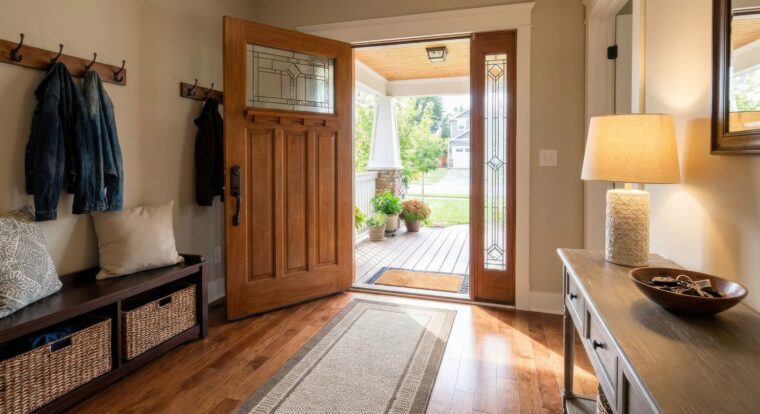
Matching stained doors and trim creates a cohesive, traditional appearance. When the door, casing, and other woodwork share the same stain, the wood becomes a strong architectural feature.
On the other hand, contrasting finishes can create a more contemporary or transitional look. A stained door surrounded by white painted trim, for example, creates definition and allows the door to become a focal point.
Consider these popular combinations:
- Stained wood doors and stained trim
- Stained doors with painted trim
- Dark stained doors and trim
- Stained doors with white trim
- Stained door trim with white baseboards
- Natural or medium-stained doors with contrasting painted casing
Stained Wood Doors and Trim
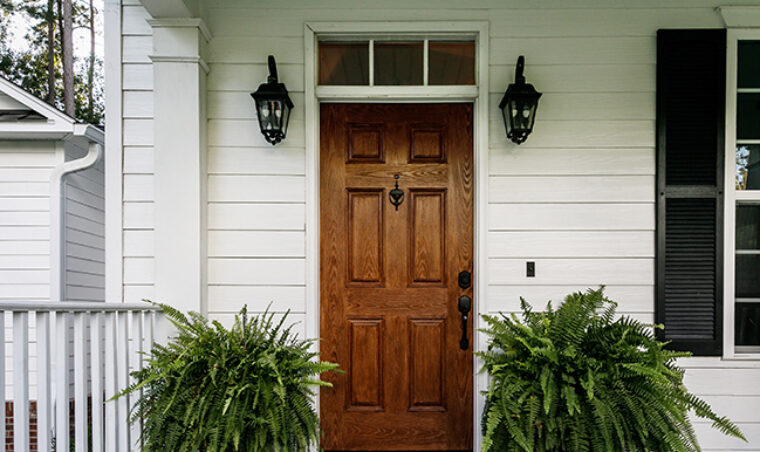
Staining both the doors and trim creates a classic, coordinated appearance.
This approach works particularly well in traditional, rustic, craftsman, farmhouse, and transitional interiors. Matching the stain throughout the room can make the woodwork feel intentional and substantial.
For a seamless look, try to keep the stain color and sheen consistent. However, remember that different species of wood can absorb stain differently, so the same product may not look identical on every piece of wood.
Stained Doors and Painted Trim
One of the most versatile combinations is a stained wood door surrounded by painted trim.
This design allows the natural beauty of the door to stand out while the painted casing provides a clean transition between the door and wall.
White, off-white, cream, gray, and other neutral trim colors can work well with stained doors.
This combination is especially appealing if you want the warmth of wood without having every piece of trim in the home stained.
Stained Doors and White Trim
Stained doors and white trim are a timeless pairing.
The contrast creates a crisp architectural outline around the door while keeping the natural wood visible. It can work in both traditional and contemporary homes.
A medium or warm stain paired with white trim can create a welcoming appearance, while a dark stain with bright white trim provides a much stronger contrast.
The key is to coordinate the white trim with the other painted surfaces in the room. Using the same or a closely related white on baseboards, door casing, and other painted millwork can create consistency.
Stained Door Trim With White Baseboards
You don’t necessarily have to make every piece of trim the same finish.
For example, you could have a stained door and stained casing while keeping the baseboards white.
This combination can work particularly well when the room already has white walls or painted baseboards. The stained doorway becomes an architectural accent without requiring all of the room’s trim to be stained.
The transition between stained casing and white baseboards should look intentional. Clean lines and consistent sheen help make the combination feel designed rather than accidental.
Dark Stained Doors and Trim
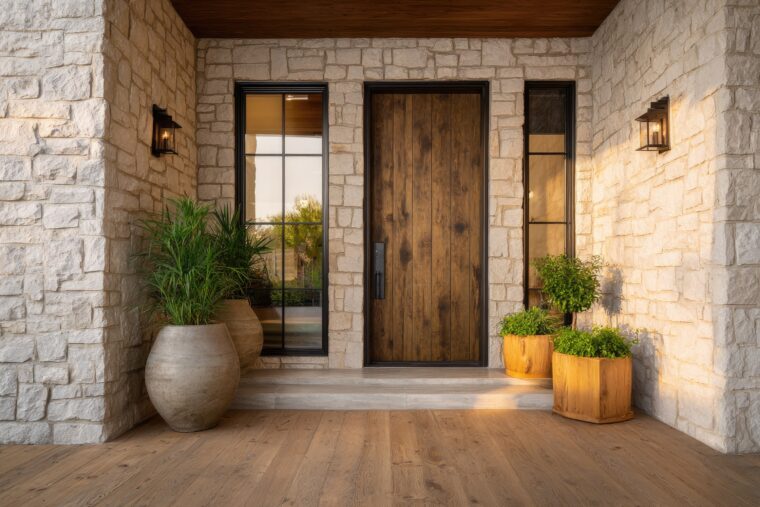
Dark stained doors and trim can create a dramatic, sophisticated appearance.
Deep brown, espresso, walnut-inspired, and other dark wood tones can add visual weight to a room. They can work especially well with lighter walls, natural textures, warm metals, and neutral furnishings.
However, dark finishes can make a space feel visually heavier. In smaller rooms, consider balancing dark woodwork with lighter walls, flooring, furniture, or textiles.
If you’re staining multiple doors and pieces of trim dark, test the color first. The final appearance can vary considerably depending on the wood species, sanding, existing finish, and number of coats.
Stained Doors and Trim: A Classic Design Choice
Matching stained doors and trim remains popular because it emphasizes the architecture of the home.
When the same or complementary stain is used throughout a hallway, bedroom, or living area, the woodwork can create visual continuity from one room to another.
This approach is particularly effective when the home has natural wood flooring or other wood elements that can be coordinated with the doors and trim.
You don’t necessarily need an exact color match. In fact, using complementary wood tones can create a more layered and natural appearance.
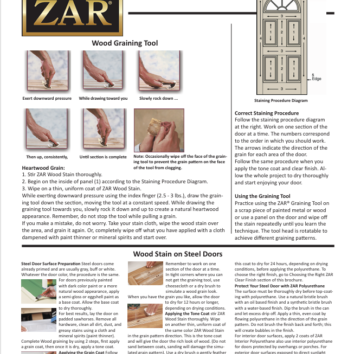
ZAR Wood Stain is ideally suited for all types of doors!
Finish wood and non-wood surfaces because of heavier consistency, higher pigment levels & excellent adhesion.
Staining Interior Doors and Trim
If you’re planning on staining interior doors and trim, preparation is one of the most important parts of the project.
1. Identify the Wood
Different species absorb stain differently. Pine, oak, maple, poplar, and other woods can produce very different results from the same stain.
2. Prepare the Surface
Remove dirt, grease, old coatings, and other contaminants. Sand according to the requirements of the existing surface and the product you’re using.
3. Test the Stain
Never rely solely on the color shown on a label or screen. Test the stain on the actual wood — or a comparable piece of the same species — to see how it develops.
4. Apply the Stain Properly
Follow the manufacturer’s directions for application, penetration time, wiping, and drying. Consistent application is especially important when staining large doors or long pieces of trim.
5. Protect the Finish
Once the stain has dried as directed, apply the appropriate protective finish if required or desired. A polyurethane topcoat can provide additional durability and can also affect the final sheen.
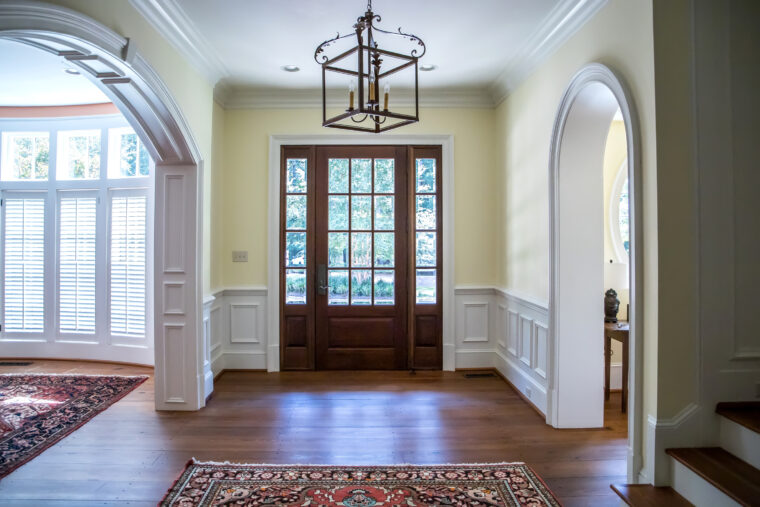
What Color Should Your Interior Doors Be?
There is no single right answer.
If you want a warm, traditional look, consider stained doors and matching stained trim.
If you want a clean, transitional look, try stained doors with white painted trim.
If you want a dramatic, sophisticated look, consider dark stained doors and trim against lighter walls.
If you want a balanced combination, stained door trim with white baseboards can provide contrast without overwhelming the room.
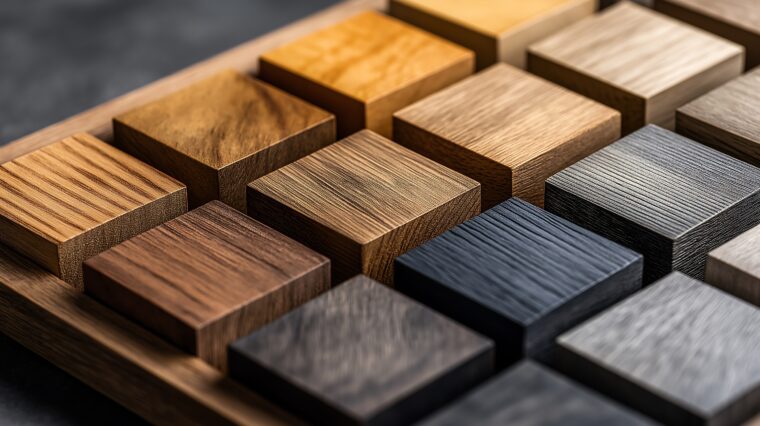
Choosing Between Stained Doors and White Trim
When deciding between stained doors and white trim or fully stained woodwork, look at the room as a whole.
Ask yourself:
- Is there already natural wood elsewhere in the room?
- Are the floors warm or cool in tone?
- Is the home traditional, modern, farmhouse, craftsman, or transitional?
- Do you want the doors to blend in or become a focal point?
- How much dark color can the room comfortably handle?
- Are your existing baseboards painted white?
- Do you want the wood grain to be a major design feature?
The answers can help determine whether matching or contrasting finishes make the most sense.
The Bottom Line
There is no rule that says interior doors and trim must be the same color. Stained wood doors and trim offer a cohesive, classic appearance, while stained doors and white trim provide contrast and a fresh architectural look.
For a dramatic statement, dark stained doors and trim can add depth and sophistication. For a more balanced design, stained door trim with white baseboards can combine the warmth of natural wood with the brightness of painted millwork.
Whichever combination you choose, proper surface preparation, stain testing, application, and protective finishing are essential. With the right ZAR interior wood stain and polyurethane system, you can create durable, beautiful woodwork that complements your home’s style for years to come.