
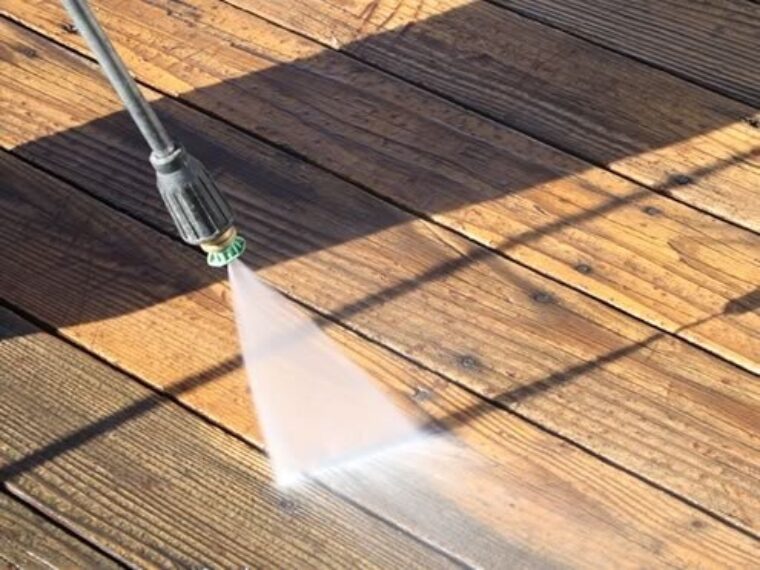
As winter’s grip loosens and temperatures begin to climb, your outdoor wood — from decks and fences to patio furniture — starts showing the wear of cold, moisture, and UV exposure. Before summer hits, it’s a great time to restore both appearance and protection. But how do you approach it? Let’s answer the most common questions homeowners ask.

What Kind of Stain Is Best for Outdoor Wood?
Choosing the right stain depends on the wood surface and how much protection you want.
Decks & Fences
For horizontal surfaces like decks and vertical surfaces like fences, choose an exterior wood stain formulated to resist UV rays, moisture, and mildew. Look for:
- Penetrating stains that soak into the wood
- Semi-transparent for natural wood grain visibility
- Water-repellent additives
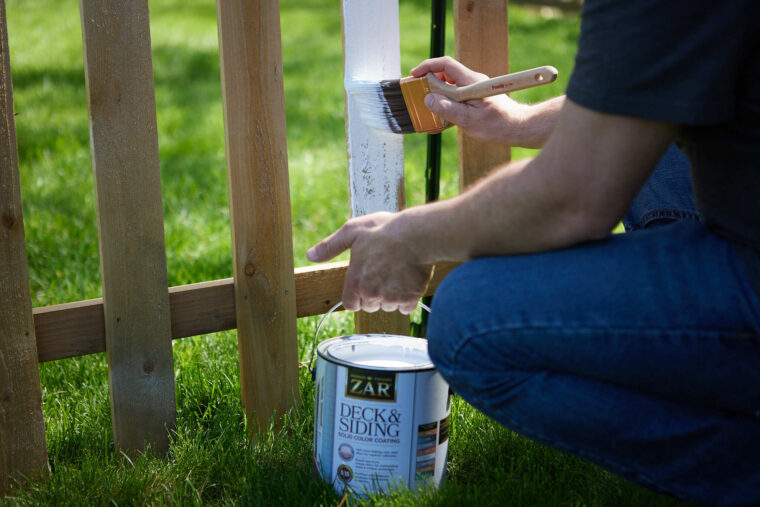
ZAR Deck & Siding Stain is available in clear, solid and semi-transparent. All are designed for outdoor wood. It’s great for decks, siding, and fences because it offers UV protection, enhances grain, and resists peeling.
Outdoor Furniture
Outdoor furniture can be more delicate or decorative, and often needs a balance of beauty and durability.
ZAR Interior Wood Stain with Exterior Polyurethane, although marketed as an interior stain, when paired with its exterior polyurethane topcoat, it’s a fantastic option for outdoor furniture pieces that need a rich color and durable finish.
Do I Need to Remove All Old Stains Before Restaining?
Not always, but it depends on condition.
When You Do Need to Remove Old Stain
- Peeling, flaking, or chalky old finish
- Multiple past coats that obscure the wood grain
- Wood that has turned gray or weathered significantly
In these cases, a deck stripper and some sanding or pressure washing may be needed so the new stain can penetrate properly.
When You Can Stain Over It
- The existing stain is firmly adhered, not peeling
- No change in color is necessary. It’s fashionable and what you like
- You’re using a compatible stain
If the old layer is solid and smooth, you can apply a new coat — especially if switching to a similar stain type — but always clean and lightly abrade the surface first.
Can I Stain Over Already Stained Wood?
Yes — in many cases. But follow these guidelines:
✔️ Clean thoroughly (deck cleaner or oxygen bleach)
✔️ Lightly sand to remove gloss and help new stain absorb
✔️ Make sure the old stain is compatible with the new one
How to Rejuvenate Weathered Wood
Weathered wood looks gray, rough, and dry because UV rays and moisture have broken down surface fibers.
Steps to Rejuvenate
- Clean — Use a wood cleaner or oxygen bleach solution to remove dirt and mildew.
- Brighten — Optional wood brightener restores pH balance and opens the grain.
- Sand — Light sanding smooths fibers raised by weathering.
- Stain or Seal — Apply a quality outdoor stain like ZAR Deck & Siding to protect and enhance.
This process helps the wood absorb stain more evenly and restores a natural, fresh look.
Is It Cheaper to Refinish or Buy New Wood?
Generally, refinishing is far more cost-effective and environmentally friendly than replacing wood.
Cost Comparison
- Refinishing: Cleaning, sanding, staining
- Materials only — stain, brushes/rollers, cleaners
- Replacing Wood: New boards or furniture, tools, installation labor
Only consider replacement when:
- Wood is rotten, structurally compromised, or severely splintered
- Damage from pests (termites, carpenter ants)
- Boards or furniture are already warped beyond repair
For most decks and fences that are still solid, a fresh coat of stain significantly extends life at a fraction of the cost.
How Long Does the Finish Last?
The lifespan of a wood finish varies by exposure and stain type:
Wood Surface |
Typical Longevity |
Deck Stain (like ZAR Deck & Siding) |
~2 – 3 years |
Exterior Furniture Finish |
~1 – 2 years (with high-traffic use) |
Heavy Sun / Rain Areas |
May need more frequent refresh |
Signs you need to recoat:
- Water no longer beads on the surface
- Color has faded or turned gray
- Surface looks dry or chalky
Regular maintenance keeps wood healthier and reduces long-term replacement costs.
Summary: Spring Wood Refresh Checklist
✔️ Inspect wood for peeling, rot, or deep weathering
✔️ Clean and prepare the surface
✔️ Remove old stain only if it’s failing
✔️ Choose a high-quality exterior stain
✔️ Apply stain following manufacturer directions
✔️ Maintain every 1 – 3 years depending on wear